The auto-parts market is bigger and more confusing than most drivers realize. There are major manufacturers, contract suppliers building parts under their own brands, and quick-buck importers stamping the box with whatever color sells. The right choice depends on the part, the car, how long you plan to keep it, and your budget — not on what's cheapest in the catalog. Here's the way we walk customers through it at Vorenza Auto Repair.
01The three categories, in plain English
Original Equipment Manufacturer
Made by — or for — the automaker, sold through dealer parts counters in factory packaging. Identical to what came on the car from the factory.
Trade-off: highest price; longest lead time at independents because parts have to come from a dealer.
Original Equipment Supplier
The same factory that makes OEM parts also sells those parts under their own brand — Bosch, Denso, ZF, Continental, Aisin, and so on. Same engineering, often the same factory line.
Trade-off: usually 20–40% cheaper than dealer OEM with effectively the same quality. Often the smartest choice.
Independent brands
Parts engineered by third parties to fit your vehicle. Quality ranges from premium (matches or exceeds OEM) all the way down to bottom-shelf imports that won't last a winter.
Trade-off: biggest price spread. A trustworthy shop knows which aftermarket brands are worth installing and which to avoid.
The hidden category most drivers don't know about is OES. When a Toyota leaves the factory with a Denso alternator, that alternator is OEM. When you buy that exact same Denso alternator from an auto parts store in a Denso box, it's OES. Same part, no dealer markup. Independents lean on OES heavily for that reason.
02When OEM is worth paying for
Some repairs are not the place to save money. Spend on OEM (or top-tier OES) when:
- The vehicle is still under warranty. Manufacturers can deny warranty claims if a non-OEM part is implicated in a failure. Stick with OEM until the warranty is done.
- It's an electronic or sensor-driven component. ABS modules, mass-airflow sensors, fuel pumps with built-in level senders, engine control modules — cheap aftermarket here will throw codes, mismatch tolerances, or fail early.
- It's a safety-critical part on a newer car. Brake hydraulics, airbag components, advanced driver-assistance camera mounts. The cost difference rarely justifies the risk.
- It's a known weak point only OEM has redesigned. Some failure-prone parts (water pumps on certain VWs, timing chain tensioners on certain BMWs) have updated OEM versions that are worth the money over the original-spec aftermarket version.
03When aftermarket is the better call
Aftermarket isn't second-rate by default — in plenty of categories it's the smarter buy. Aftermarket usually wins for:
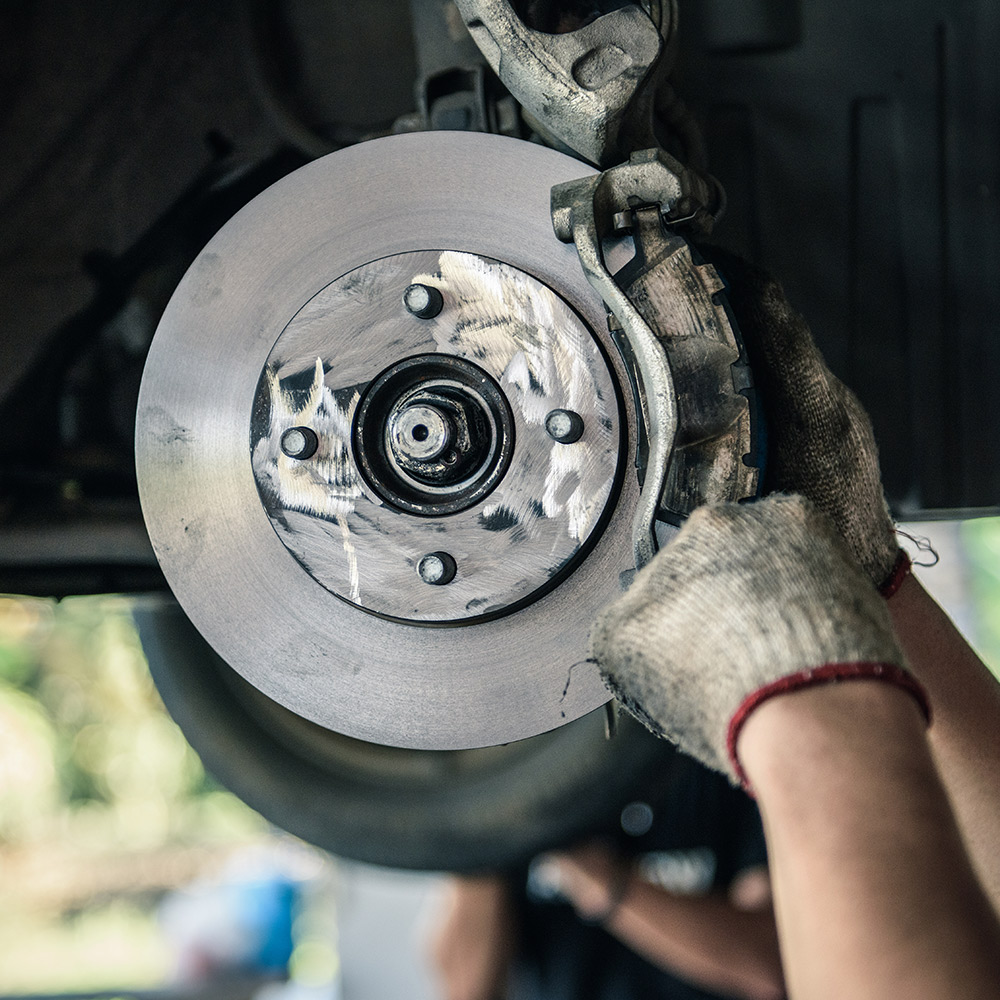
- Wear items on older vehicles out of warranty. Brake pads, rotors, belts, hoses, wiper blades, filters — quality aftermarket from a known brand is fine.
- Body and trim parts on cars you plan to sell or trade in within a year. A CAPA-certified aftermarket fender for a fender-bender repair saves real money without changing how the car drives.
- Performance or upgrade parts. Aftermarket exhausts, suspension components, and lighting often outperform what came from the factory — that's the whole point.
- Common service parts on high-mileage daily drivers. If a car has 180,000 miles and a 5-year horizon, premium aftermarket gets the job done at a fraction of the cost.
04The brands an honest shop won't install
The dirty secret of the aftermarket is that you can't tell premium from bottom-shelf by looking at the box. Two parts in identical boxes can have a 4x lifespan difference. We won't install:
- No-name brake pads or rotors from listings that don't show metallurgy specs — warped rotors after one season are the predictable result.
- Generic ignition coils, oxygen sensors, or mass-airflow sensors. If the original was Denso or Bosch, the replacement should be too.
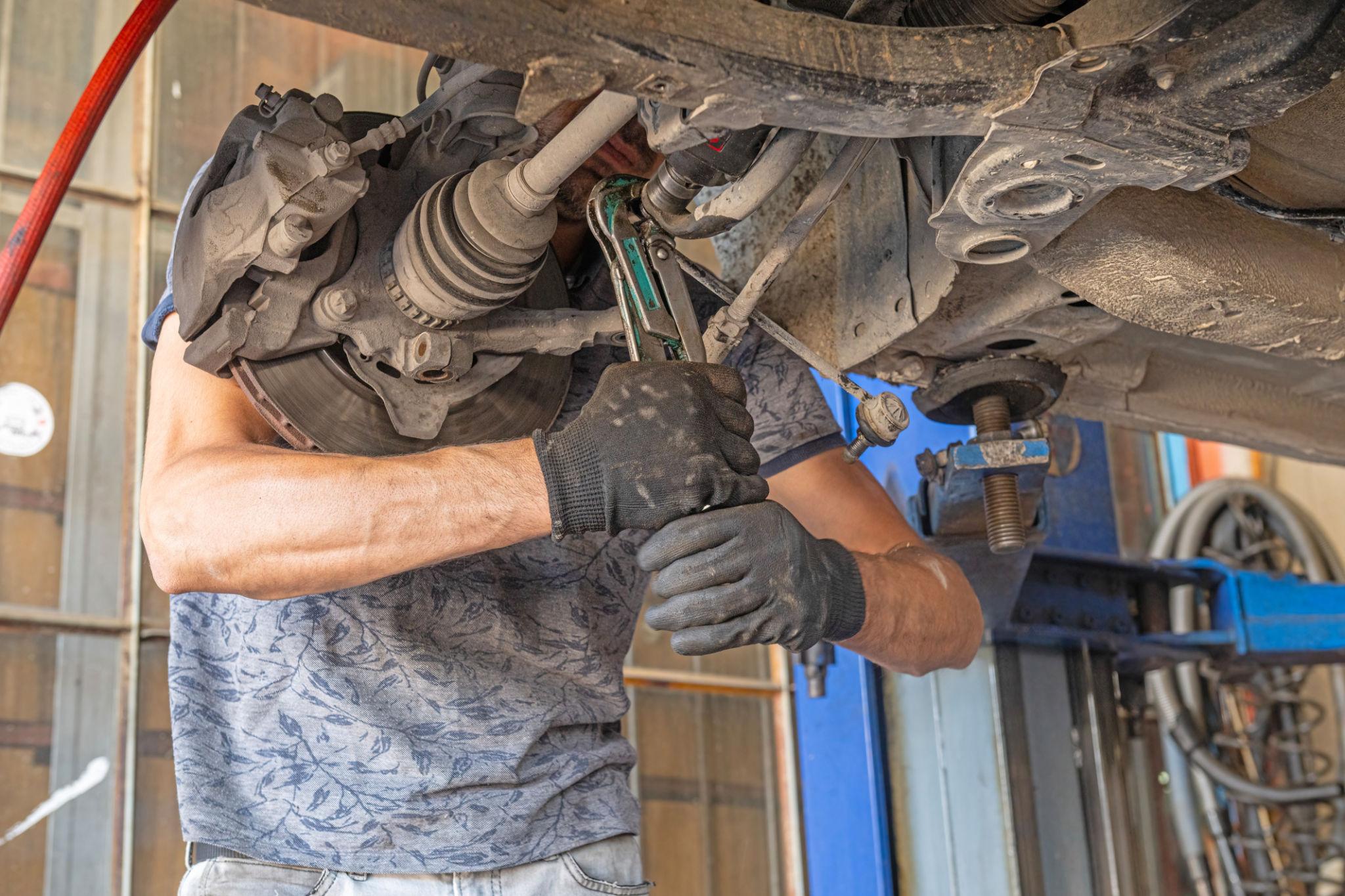
- Imported water pumps and timing components on European and Asian engines — this is where pennies-saved becomes engine-killed.
- Rebuilt/remanufactured parts without a real warranty backing them. A rebuild is only as good as its rebuilder.
A trustworthy shop is willing to tell you which brand is going on your car and why. If a quote just says "parts" with a number next to it, ask. The answer is more important than the price.
05How to ask the right question on your next estimate
Use this at any shop — including ours:
- "Is this OEM, OES, or aftermarket?" A real answer in plain language is a good sign. Vague language ("we use quality parts") is the opposite.
- "What's the brand?" Bosch, Denso, ZF, ACDelco, Motorcraft, Continental, Mobil 1, NGK, Wagner, Akebono, Centric — these are answers you can look up.
- "What's the warranty on the part and the labor?" Vorenza covers repairs with a 12-month / 12,000-mile warranty. Anywhere offering significantly less is telling you something about their parts choices.
- "Is there a less expensive option that's still safe for this car?" A good shop will offer real alternatives where they exist, and tell you straight when they don't.
Both options on the table, with the rationale.
We stock and install both OEM and quality aftermarket parts depending on the job and your preference. For published-price services like our brake pads & rotors starting at $299 per axle, we use premium aftermarket pads and rotors that match OEM stopping performance with a real warranty behind them. If you'd prefer dealer OEM, we'll quote that too — same labor, different parts cost, your call.
Every estimate we give names the brand and the warranty so there are no surprises.
06The bottom line
OEM isn't always best. Aftermarket isn't always cheaper-and-worse. The right answer depends on the part, the car, and how long you're keeping it. Any shop that gives you a one-size-fits-all answer either doesn't know or doesn't want to explain. The right shop walks you through both options, names the brand, and stands behind the work.
Have a repair coming up and want to talk through options? We're at 15 Central St, Unit B in Derry, NH — serving Manchester, Londonderry, Salem, Windham, and the rest of southern New Hampshire. Call (603) 825-3815, email support@vorenzarentals.com, or use the contact form for an estimate that names the parts before any wrench turns.